How Professional Book Formatting Impacts Reader Reviews and Sales


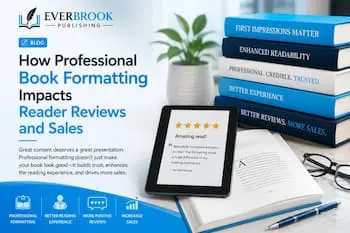
How Professional Book Formatting Impacts Reader Reviews and Sales
Formatting Is Invisible When It's Done Right
Good formatting is easy to overlook, because it does its job quietly. Readers turn pages, follow the story, and never think about margins or font consistency. It's only when formatting goes wrong that readers notice, and unfortunately, that noticing tends to show up publicly in your reviews rather than privately in a returned book.
What Readers Actually Say in Negative Reviews
Scroll through one-star or two-star reviews on self-published books and a pattern emerges quickly: complaints about "formatting issues," "hard to read on Kindle," "typos throughout," or "looks unprofessional" appear far more often than complaints about plot or characters. Many of these books may have been well written, but a reader's first impression of quality often comes from how the book looks and reads technically, before they've even judged the story.
First Impressions Happen Before Chapter One
Amazon's "Look Inside" feature lets potential buyers preview your book before purchasing, which usually includes your cover, title page, and opening pages. If that preview shows inconsistent spacing, an unlinked table of contents, or awkward page breaks, a potential reader can lose confidence in the book before reading a single sentence of your actual writing.
Formatting Signals Professionalism
Readers can't always tell the difference between a self-published book and a traditionally published one just by the cover anymore, self-publishing has closed that gap considerably. But interior formatting is often where the difference still shows. Clean chapter headings, consistent fonts, proper spacing, and a working table of contents all signal that an author treated the book as a finished product, not just a manuscript uploaded as-is.
The Sales Connection
Reviews directly influence how new readers evaluate a book, and Amazon's own recommendation and ranking systems are influenced by review volume and rating over time. A book that accumulates avoidable one and two-star reviews over formatting issues, rather than story or writing quality, is fighting an uphill battle it didn't need to fight. Fixing formatting problems after the fact doesn't retroactively remove reviews already left by frustrated readers.
Getting It Right Before Launch
The formatting stage is one of the few parts of self-publishing where investing a little more care upfront directly protects your reviews and your sales momentum after launch. EverBrook Publishing formats books to look and read cleanly across both print and Kindle, so the story you worked hard on is the only thing readers end up talking about.